
Dining Recommendations
Dining on Deck: An Introduction
8 minute read
Cruise ship dining has evolved from rigid meal times to a flexible landscape of venues and styles. Modern ships offer multiple dining formats: main dining rooms, specialty restaurants, buffets, casual eateries, and room service. Dining is often included in the fare, but specialty venues may carry a cover charge. The experience is designed to be social and leisurely, not rushed.
The Main Dining Room: Your Home Base
Deck 3Traditional vs. Flexible Seating
Most ships offer a choice between traditional fixed seating and flexible 'anytime' dining. Traditional seating assigns you a table and time for the entire cruise, often with the same waitstaff. Flexible dining lets you arrive within a window and be seated as available. Some lines now use app-based reservations even for flexible dining.
What to Expect on the Menu
Menus change daily and usually include regional, vegetarian, and 'always available' options. Expect a rotating selection of appetisers, mains, and desserts.
- Classic dishes like steak or salmon are often available every night.
- Dietary requests can usually be accommodated with advance notice.
- Portion sizes are designed to allow multiple courses without feeling overwhelmed.
Specialty Restaurants
Specialty Restaurants: Worth the Splurge?
Cuisine Types You'll Encounter
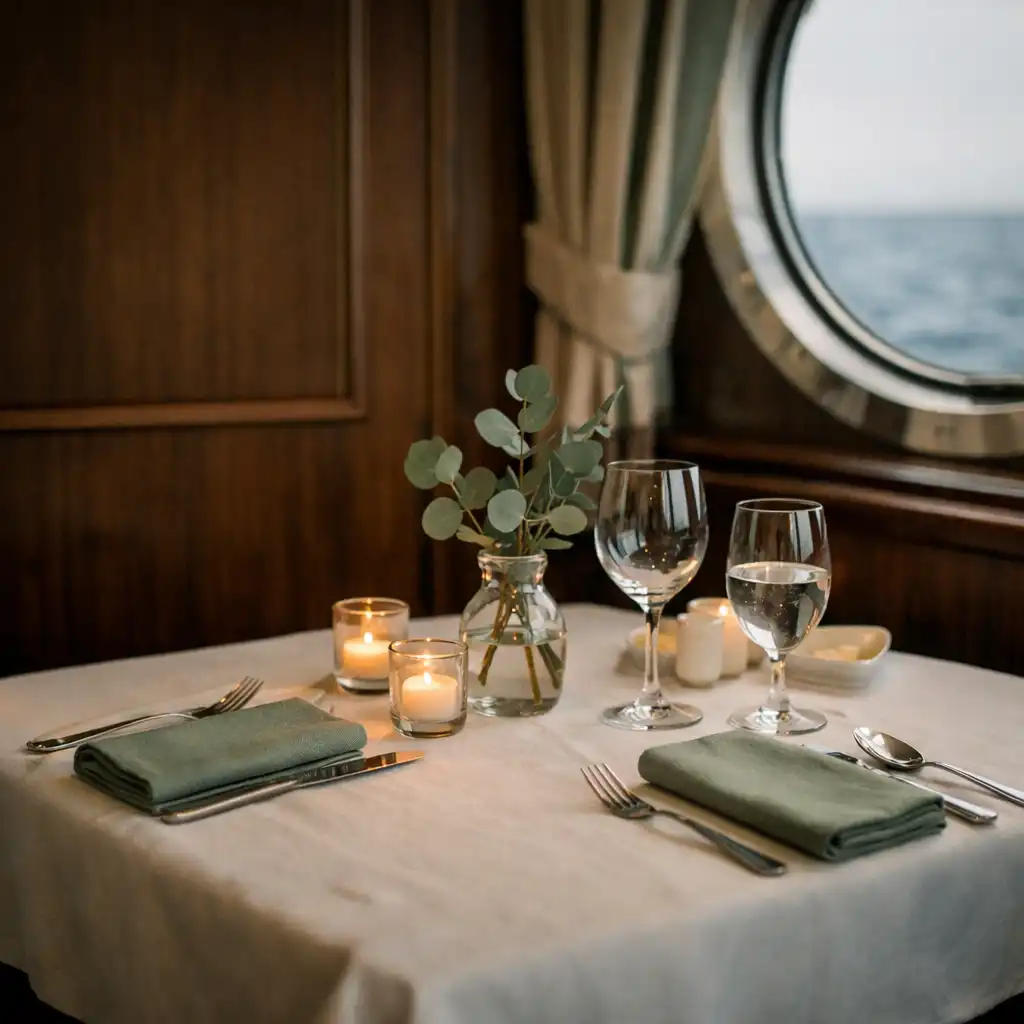
Specialty venues range from steakhouses and Italian trattorias to sushi bars and French bistros. Steakhouses are common and often considered a safe bet for a special night. Asian venues vary widely; some are teppanyaki-style with a show, others are quiet sushi counters. French and Italian venues tend to be more formal and romantic.
Cover Charges and Value
Most specialty restaurants charge a flat cover, but the experience can feel more intimate than the main dining room. Cover charges typically range from AUD 30 to AUD 60 per person, depending on the line and venue. Some lines include one or two specialty meals in higher-tier fares. Portions are often generous, and service tends to be more personalised.
Worth knowing
Book specialty restaurants for a sea day or a celebration. The quieter pace and dedicated service can feel like a completely different ship.
Buffets and Casual Eats: No Reservation Needed
Deck 9The Modern Buffet
Buffets have improved dramatically, with live cooking stations and themed nights. Expect made-to-order pasta, stir-fry, and carving stations. Breakfast buffets are often the most efficient way to start a port day. Some ships offer outdoor grill stations near the pool.
Casual Venues Worth Knowing
Pizzerias, burger joints, and cafes often operate extended hours and are included in the fare. Poolside grills serve burgers, hot dogs, and salads during the day. Many ships have a 24-hour cafe or pizza counter. These venues are ideal for families or late-night snacks.
Al Fresco Dining
Dining with a View: Al Fresco and Specialty Venues
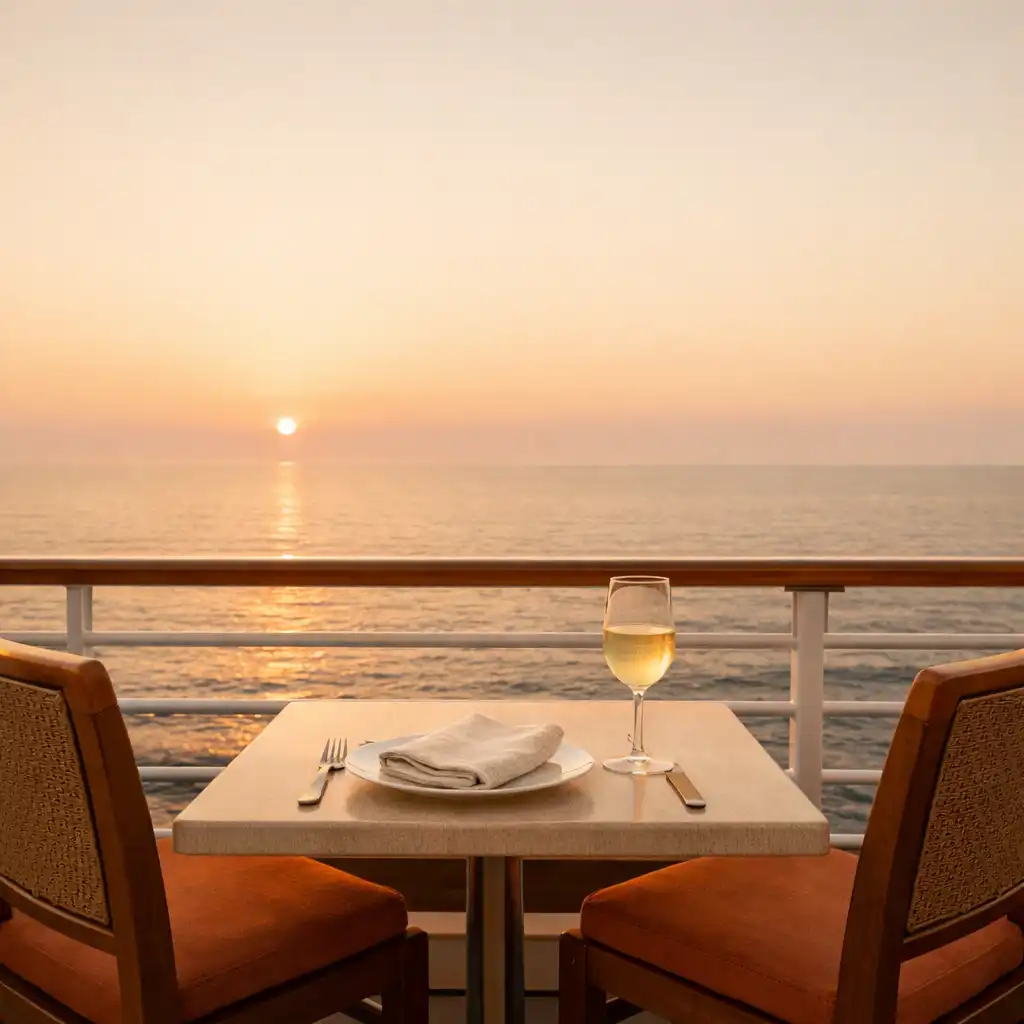
Many ships offer outdoor seating at the buffet or casual venues, plus specialty restaurants with terrace tables. Pool decks often have shaded seating for casual meals. Some specialty restaurants have outdoor terraces, especially on newer ships. Sunset dinners on deck are a memorable experience.
Dinner on deck, with the sea sliding past, is the cruise at its most honest.
Reservations, Dress Codes, and Dining Times
Deck 5Making Reservations
Reservations for specialty restaurants can be made before sailing or on board, but popular venues fill quickly. Book online as soon as reservations open, often 60-90 days before departure. On board, use the app or visit the restaurant directly. Flexible dining in the main dining room may not require a reservation.
Dress Codes Decoded
Most lines have relaxed dress codes, but some evenings are designated 'formal' or 'elegant'. Casual nights: collared shirts and slacks for men; sundresses or nice tops for women. Formal nights: suits or jackets for men; cocktail dresses for women, though enforcement varies. Specialty restaurants often have a 'smart casual' minimum.
Dietary Needs
Dietary Needs and Special Requests
Cruise lines are generally well-equipped to handle vegetarian, vegan, gluten-free, and allergy requests. Notify the cruise line at booking and again on board with the maître d'. Menus often mark vegetarian and gluten-free options. Special meals can be prepared with advance notice in the main dining room.
- Ask about cross-contamination protocols if you have a severe allergy.
- Many buffets label common allergens, but confirm with staff when unsure.
- Specialty restaurants can usually adapt dishes with a day's notice.
Room Service and In-Cabin Dining
Deck 7Room service is often complimentary for breakfast and available 24 hours for a small fee on many lines. Breakfast on your balcony is a classic cruise pleasure. Menus are usually limited but include sandwiches, salads, and desserts. Some luxury lines include all room service in the fare.
First-Time Dining Tips
Five Tips for Smooth Sailing
- Book specialty restaurants early, especially for sea days.
- Try the main dining room on the first night to meet your waitstaff.
- Don't skip the buffet's made-to-order stations.
- Ask about off-menu items; chefs often accommodate simple requests.
- Pace yourself—there's no need to eat everything in one day.
A Final Note
A Final Note on Dining Well
Cruise dining is as much about the setting and company as the food itself. Allow yourself to be surprised by a dish you wouldn't normally order. Share tables when offered; conversations over dinner are part of the experience. Remember that every meal is an opportunity to slow down and enjoy the sea.
The best table on the ship is the one where you lose track of time.